


Caribbean memory
A cultural pause to understand that Bayahibe is not only beach: it is also history, territory and Indigenous heritage.
Bayahibe · Dominican Republic
Where ancient stories speak through stone
A private collection inside Fine Cigars Bayahibe, prepared so visitors can see Taíno and pre-Columbian pieces in a short, visual and easy-to-follow visit.
Guardians of memory
Long before European arrival, the Taíno people shaped the Caribbean into a world of art, ceremony, navigation, agriculture and community. Taíno presence in the Caribbean islands goes back centuries before Columbus, with historical references placing it around the year 1200. Their voices were silenced, but many forms, symbols and objects still tell part of that story.
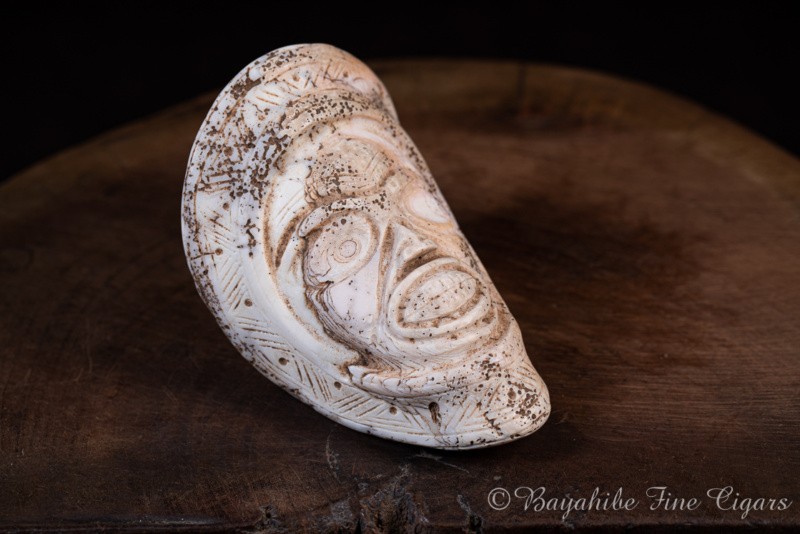
Located inside Fine Cigars Bayahibe, this private museum brings together more than 49 pieces, with a documented selection that invites visitors to look closely at the Indigenous memory of the Dominican Republic.
The visit is made for travelers, families and small groups: you can walk through calmly, ask questions, observe details and connect the cultural experience with Bayahibe.
Looking at these stones is a way of coming closer to people who breathed this same Caribbean air centuries ago.
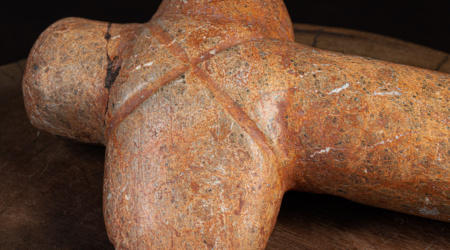
A cultural pause to understand that Bayahibe is not only beach: it is also history, territory and Indigenous heritage.
The museum is visited inside Fine Cigars Bayahibe, with direct attention and a simple explanation for international visitors.
A useful activity for rainy days, family groups, cruise passengers and travelers who want to see something deeper.
Taíno art and spirituality
A short reading so the collection is not only a gallery of objects, but a doorway into how the Taíno people looked at nature, fertility and the sacred.
God of cassava and agricultural abundance. His presence recalls the importance of food, land and growing cycles.
A maternal figure associated with fresh water, the moon and fertility. In Taíno tradition she appears as a protective force and a source of life.
A physical representation of the sacred. A zemi could be an object, image or symbol used to connect memory, ritual and community.
The pieces could be worked in stone, wood, shell, bone, ceramic or fibers such as cotton, depending on function, territory and meaning.
Online museum
A short visual introduction before arriving at the physical museum: seven selected pieces, each read through its shape, material and presence. The goal is to spark curiosity, not replace Cathy's direct explanation during the visit.
The artifacts
The gallery shows 49 selected pieces from the base website with optimized thumbnails, while the physical collection keeps more objects still to be documented.
Click any piece to enlarge.
Cultural visit
The museum visit can be combined with the boutique, cigars and a calm conversation about Bayahibe. It is short, visual and easy to fit into a morning or afternoon visit.
For groups, cruises or visits from Punta Cana, the easiest option is to write on WhatsApp before coming to confirm hours and availability.
Frequently asked questions
Free admission · All ages
If you come for cigars, the shop or a cultural visit, the Taíno Museum adds a different stop: Caribbean memory, objects with presence and a conversation that stays with you.
Plan your visit